CreateUgc

Practical examples

How to create ugc examples free with a clear product brief

A blank script makes it hard to picture a useful result. These creator-style examples give you a product, an audience, a believable moment, and an output to aim for—not a testimonial you have to invent.

Start with your own product details
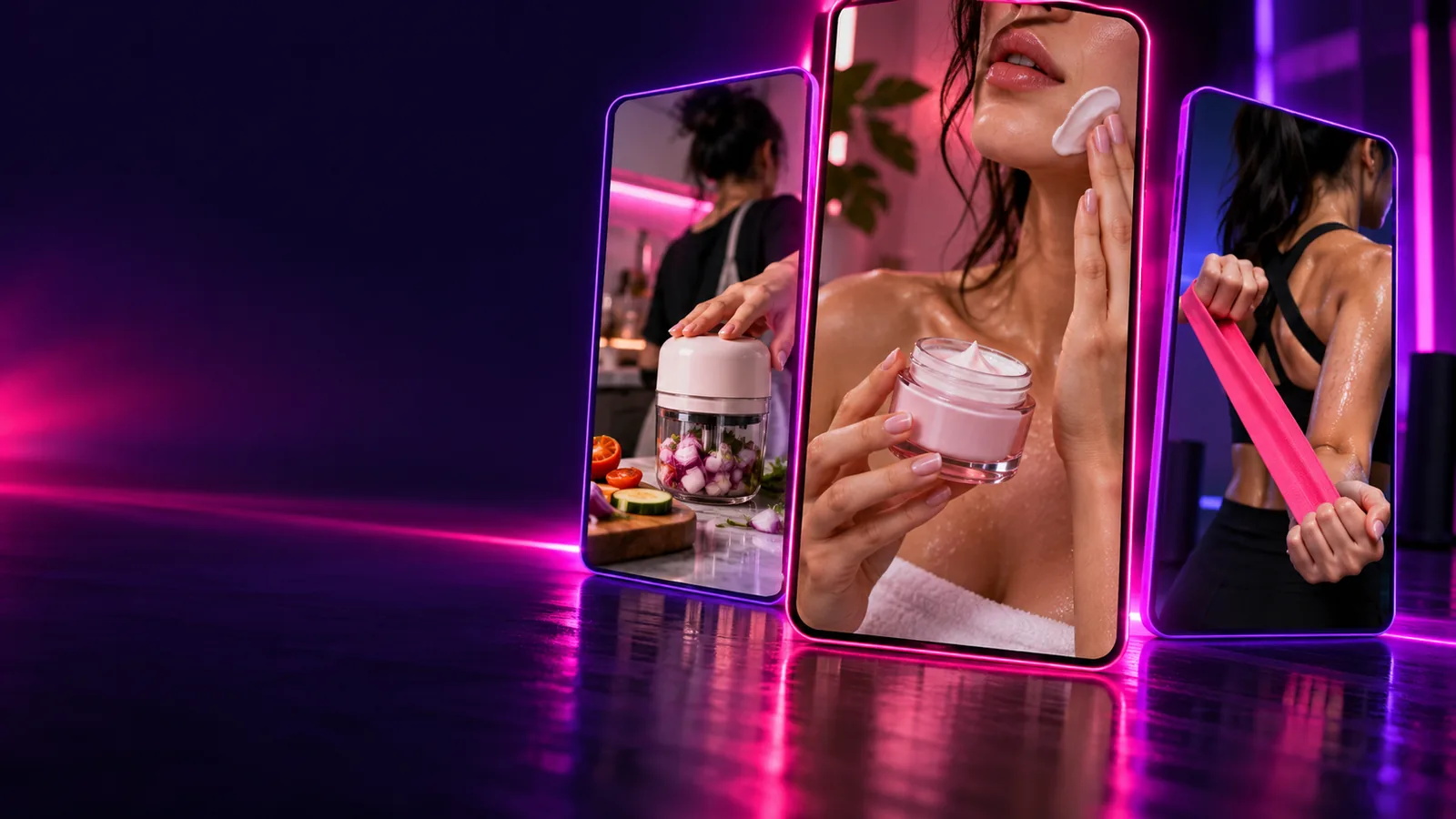
Creator-style product video imagery

The scenario's pain: what should the creator actually show?

A product name alone rarely gives a draft a reason to exist. Pick a viewer, a specific situation, and one feature that can be demonstrated on screen.

Skincare founder

You have a serum photo but no customer footage. Build a routine demonstration around the bottle, its texture, and the order in which someone would apply it. Write the opening as a question about the routine rather than a claim that the product fixes a condition.

A short product-focused concept with a close-up, an application moment, and a closing line that asks viewers to check the ingredients. Keep any results or personal experience out of the script unless they can be substantiated.

create ugc ai ads

Home-goods maker

Your lamp looks attractive in a catalog, but a viewer cannot tell where it fits at home. Place it beside a bed, show the switch or light setting, and let the room change communicate its purpose.

A creator-style bedtime vignette that explains use through action instead of a list of adjectives. For a first draft, keep the product visible and make the narration sound like an observation, not a fabricated customer review.

create ugc free

Snack brand editor

A close-up of the package does not show when someone would reach for it. Set the scene at a desk break, reveal the snack, and capture the opening and serving moments before writing a voiceover.

An everyday-use concept with a recognizable beginning, a product action, and a natural ending. Treat flavors and ingredients as details to verify against the package rather than improvising them for a stronger hook.

how to create ai ugc content

Channel producer

You need a product idea that can work beyond a single short clip. Start with a brief demonstration, then outline a longer explanation of who the item is for and what a viewer should inspect before choosing it.

A short-form concept and a companion YouTube outline that share the same observable product facts. Neither version needs a fictional owner, a made-up purchase story, or an unsupported endorsement.

free create ugc youtube

Three concrete workflows, from brief to draft

Each workflow starts with material you can check yourself. Use it to make an example concept, then revise anything the draft presents as firsthand experience.

    1. Product-led

      Turn a product photo into a use moment

      For a bedside lamp, begin with a clear image and a factual description of its visible controls. Ask for a bedroom scene that moves from a bright overhead light to the lamp's softer glow. The output to aim for is a visual sequence: establish the room, show the hand operating the lamp, then hold on the resulting light. If the product photo does not show a feature, leave that feature out.

      1. List only features visible in the image or confirmed by the product information.
      2. Describe the room, the action, and the final frame in that order.
      3. Review the draft for invented controls, colors, or lighting modes.
      Draft lamp example
    2. Routine-led

      Build a routine without inventing a review

      For a serum, describe the bottle, the intended placement in a routine, and the shots you want: product close-up, dispensing, and a neutral final frame. The example output is a routine demonstration, not a claim that the presenter used it for weeks. Remove before-and-after language unless you have suitable evidence and permission to use it.

      1. Check the label for the correct product name and application guidance.
      2. Request a demonstration with neutral, observable narration.
      3. Replace any generated personal testimony with a factual product description.
      Draft routine example
    3. Moment-led

      Write a snack-break story around one action

      For a packaged snack, use the opening of the pack as the central action. Set a desk-break scene, show the packaging clearly, and end on the served product. A useful draft conveys timing and texture through shots without claiming a particular taste, nutritional benefit, or customer reaction that your source material does not support.

      1. Choose one setting and one action rather than several unrelated scenes.
      2. Supply verified package text if it must appear or be spoken.
      3. Check that the result does not imply an unrecorded customer's opinion.
      Draft snack example

    Example output: choose what to refine next

    A workable draft shows the product clearly, gives the scene a beginning and end, and avoids pretending an AI presenter is a real customer. The next pass depends on what is missing.

    Compliance notes before you share an example

    Make the draft useful without making it misleading

    You can create ugc examples free as concepts, but a generated presenter should not be passed off as a real customer. Check product details against your source material, remove unsupported performance claims, and obtain permission for any likeness, footage, or audio you provide. If you publish promotional content, follow the disclosure rules that apply to your platform and location.

    Draft your example
    • Verify every spoken product detail.
    • Distinguish a demonstration from a personal testimonial.
    • Review visuals, captions, and disclosures before posting.

    Scenario FAQ: free UGC example ideas

    Start with a product you can accurately describe, a viewer's everyday situation, and one action that can be shown. A lamp being switched on or a package being opened gives the draft a clearer direction than a request to make an engaging ad.

    Do not invent a customer's experience or present an AI presenter as someone who bought and used the product. A demonstration can show what the product looks like and how it is intended to be used without making a personal endorsement.

    Keep the structure—situation, product action, and closing frame—but rewrite the setting and details for each item. Check the new product information rather than carrying over claims, ingredients, controls, or results from the original.

    Confirm names, visible features, spoken claims, and any text shown on screen. Make sure you have rights to the supplied media and likenesses, and add any promotional or synthetic-media disclosures required where you publish.

    Create a video
    Create a video