CreateUgc

Format explained

Explained: what is create ugc ads for brands?

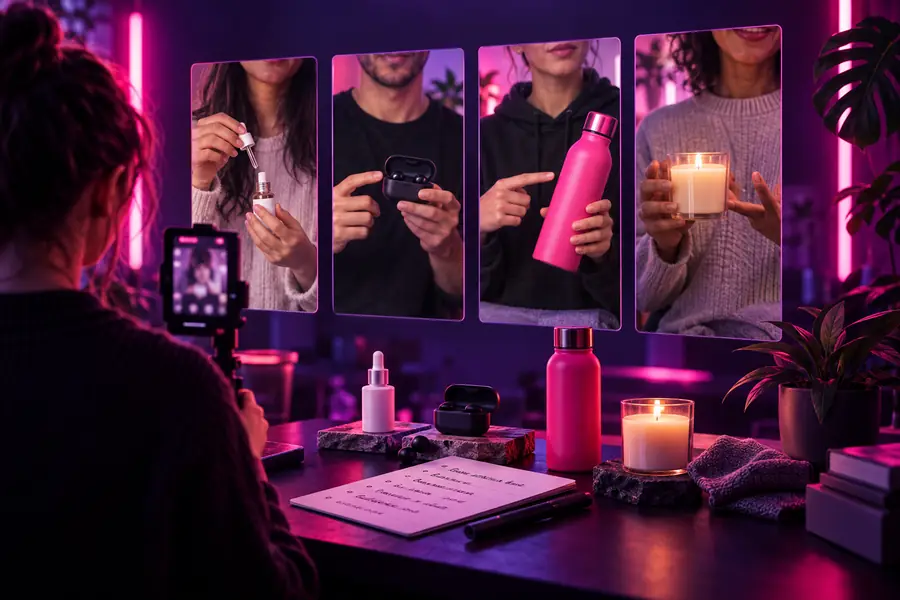
If you are asking what is create ugc ads, think of a short product ad presented like a person's own recommendation rather than a polished commercial. Create Ugc helps you explore that format with a product, a message, and a creator-style presentation.

Creator-style product video presentation

One-line definition

4 min read

A UGC ad is a promotional video or image that uses the familiar language of personal reviews, demonstrations, or testimonials; it may be made by a real creator or produced with AI.

How it works

The process resembles a simple creative brief: decide what viewers need to understand, show the product in context, and keep the delivery direct.

  1. 1

    Choose the product angle

    Start with one specific problem, feature, or use case. A focused brief gives the script a reason to exist; a list of every product benefit usually sounds like a conventional sales pitch.

  2. 2

    Write a credible script

    Build a brief hook, a demonstration or explanation, and a clear next step. Use ordinary speech, but verify every product claim and remove any line that pretends the presenter personally tested something they did not.

  3. 3

    Make and review the ad

    Pair the script with suitable product footage or a creator-style presenter. Before publishing, check spoken claims, visuals, captions, platform rules, and any disclosure the placement requires.

Explore related workflows

The format is easier to understand when you can compare a finished concept with the steps used to make one.

From product information to a creator-style ad

A product page supplies facts; an ad selects one angle and presents it in a way a viewer can follow quickly.

Product page and copied product link used as source material Product source
Completed vertical creator-style product ad Creator-style ad
This illustrates a change in presentation, not proof that the pictured presenter used or recommends the product.

Can / cannot do

Choose the production approach according to what the ad needs to demonstrate and whose experience it claims to represent.

Choose this when

You need a quick explanation of a product feature.

Use an AI-assisted creator-style concept.

It can help draft a conversational script and arrange a clear visual sequence, provided you check the product details before publishing.

Choose this when

You need a genuine first-person review.

Work with someone who actually used the product.

A real customer's experience cannot be generated from a product description. Keep their account accurate and obtain permission to use their footage.

Choose this when

You need to show a specific physical result.

Film the actual product or a verifiable demonstration.

Real footage is better suited to showing fit, texture, performance, or before-and-after results that viewers may reasonably treat as evidence.
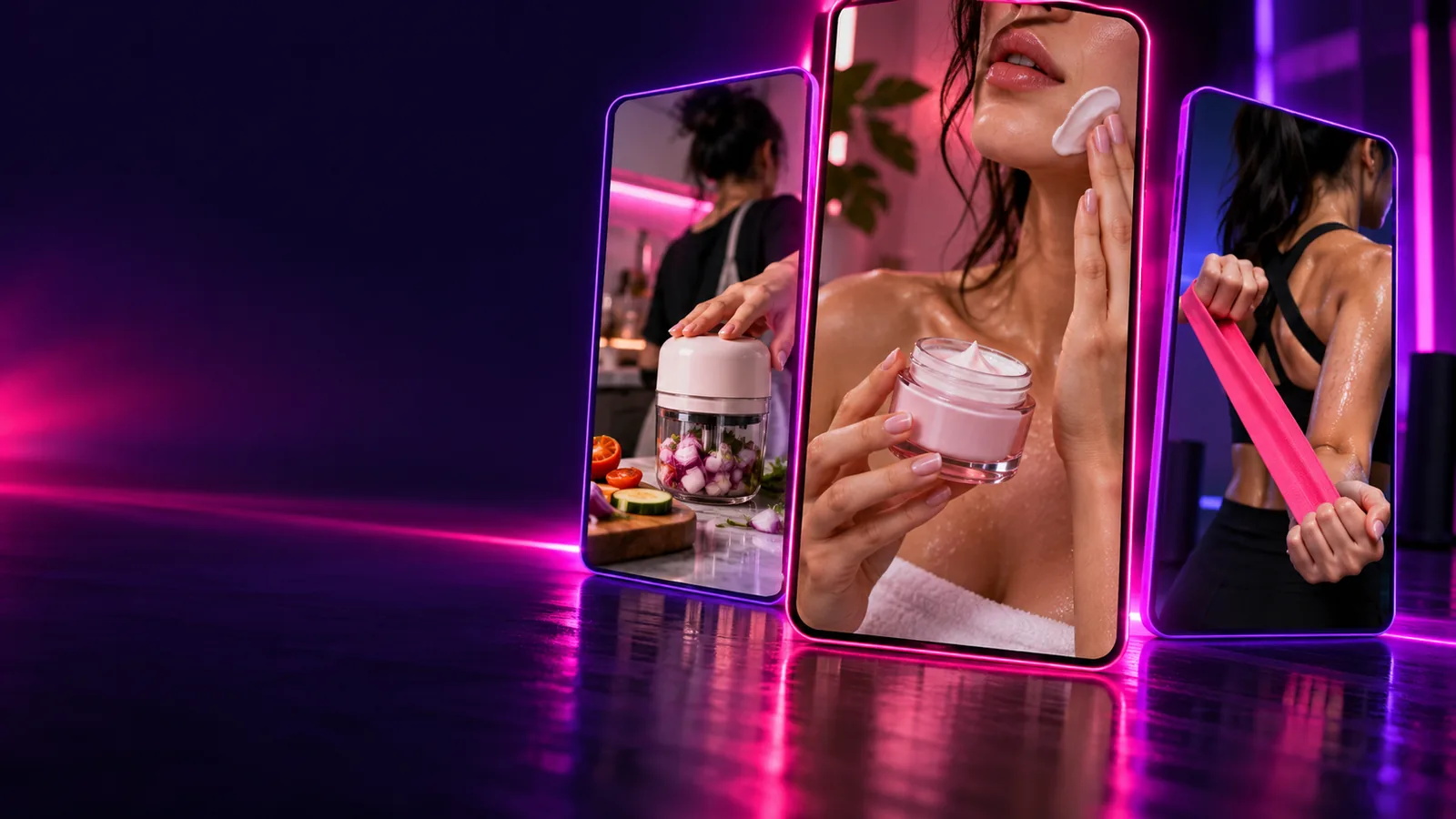

What the format cannot guarantee

A natural-looking ad is not automatically a trustworthy or effective one. These limits matter before you put a concept in front of viewers.

It cannot create genuine customer experience

An AI presenter can deliver a script, but it cannot honestly claim to have bought, worn, tasted, or relied on a product.

Workaround

Use factual third-person wording, or record an authorized customer's account.

It cannot verify product claims

A fluent script may repeat unsupported claims about results, ingredients, compatibility, or performance.

Workaround

Check each statement against current product documentation and remove claims you cannot substantiate.

It cannot guarantee ad performance

A creator-style look does not ensure attention, trust, conversions, or acceptance by an ad platform.

Workaround

Test distinct hooks, review audience feedback, and follow the rules of the platform where the ad will run.

Who uses it

Turn a product angle into a creator-style concept

Small brands use UGC ads to explain everyday products without a studio-style presentation. Marketing teams use the format to explore different hooks, while creators use it to structure demonstrations around one clear point. Whatever your role, treat the first version as a draft: confirm the facts, decide whether real footage is needed, and make sure viewers can tell what is advertising.

Explore UGC ads
  • Start with one product benefit
  • Keep claims tied to evidence
  • Review the finished message

FAQ

UGC ads use the visual and spoken conventions of personal product content, such as direct-to-camera explanations and informal demonstrations. Ordinary video advertising may use the same facts but often presents them with a more overtly produced campaign style. Either format can be an ad, so a casual appearance does not remove disclosure responsibilities.

No. A creator, a brand representative, or an AI presenter can deliver a creator-style ad, depending on the concept. Only a real customer's own account should be presented as their personal experience with the product.

AI can help with scripts, presenters, voice, and visual assembly. A person still needs to check the output for accurate product details, misleading demonstrations, appropriate permissions, and platform requirements before publishing.

No. An unpaid post is content someone chooses to share independently, while an ad is made or used to promote a product. A brand can adapt a customer's post for advertising only with the appropriate permission and an accurate representation of what that person said.

Create a video
Create a video